At Creative Wales, we’re committed to ensuring our screen sector is as sustainable as possible by backing practical initiatives through the Screen New Deal: Transformation Plan for Wales. Read on to discover how sustainability is shaping productions of all sizes in our interview with sustainability supervisor Gavin Chappelle.
From blockbuster TV series to independent films, sustainability is playing a growing role in how productions are made across Wales, and Gavin is helping to drive that change.
Gavin ChappelleSustainability is something I’ve been looking to get into for the last five-plus years. It touches every department the cast— everyone plays a part.’
As a sustainability supervisor on high-end productions, Gavin works across every department to embed greener practices from prep to wrap — all with the aim of helping productions reduce their environmental impact without compromising on creativity.
One of the productions he recently worked on was Young Sherlock – which received our support via production funding. Based at Great Point Studios, Cardiff, Young Sherlock also filmed on location across South Wales. Discover more about Wales' wealth of filming locations and studio space, or read on for Gavin's top tips.
Gavin says, ‘Sustainability is something I’ve been looking to get into for the last five-plus years. It touches every department the cast— everyone plays a part.’
We spoke with Gavin about how he got into the role, the everyday sustainable practices he introduces on set, and what it’s like trying to make high-end productions greener in Wales.
Building a career in sustainability production
After working in production for nearly two decades, Gavin shifted his focus to sustainability following the pandemic.
‘Since BAFTA albert was implemented in 2010, I’ve been completing carbon production footprints for productions as part of my work,’ he says. ‘During COVID, when I was working in health and safety, I started to see how sustainability was becoming increasingly important across our industry.’
With his experience and interests combined, Gavin moved into sustainability full-time and shaped a role that bridges logistics, creativity, and leadership across the screen sector in Wales.
Reducing on-set emissions and waste in high-end TV and film
Now, his day-to-day work involves reducing emissions from travel and transport, powering sets more cleanly, and finding new uses for materials.
Gavin says, ‘All high-end productions are different and have varying budgets, but the main areas we focus on are travel and transport. The biggest thing you want to look at is how you can mitigate emissions, so we encourage car sharing, for example, and only send a certain number of certain crew members on location.
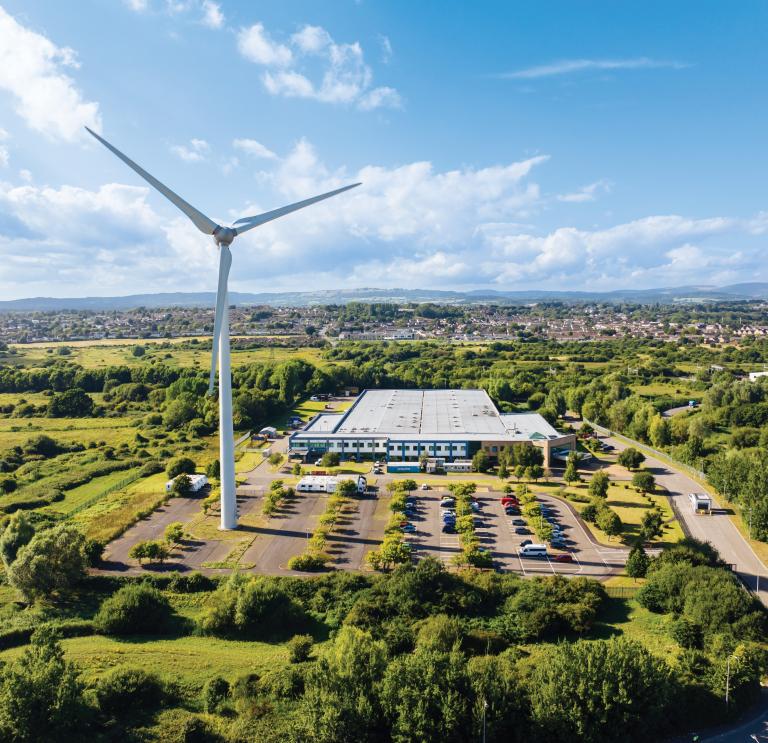
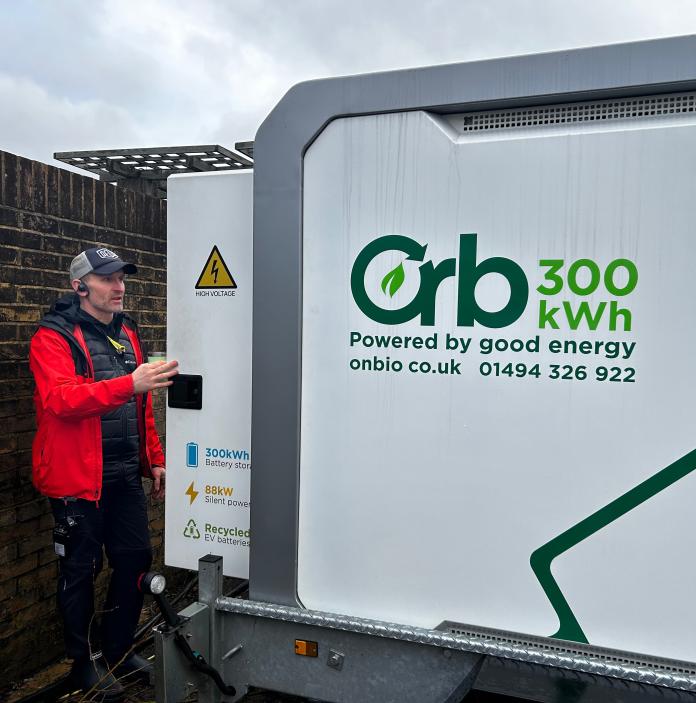
We also look at power when we’re on location. There’s been a big shift away from diesel generators. We use HVO at the moment – it’s a little bit more expensive than diesel, but it cuts emissions by 90%. It’s a temporary replacement that provides a practical transitional solution while new long-term energy technologies are developed.
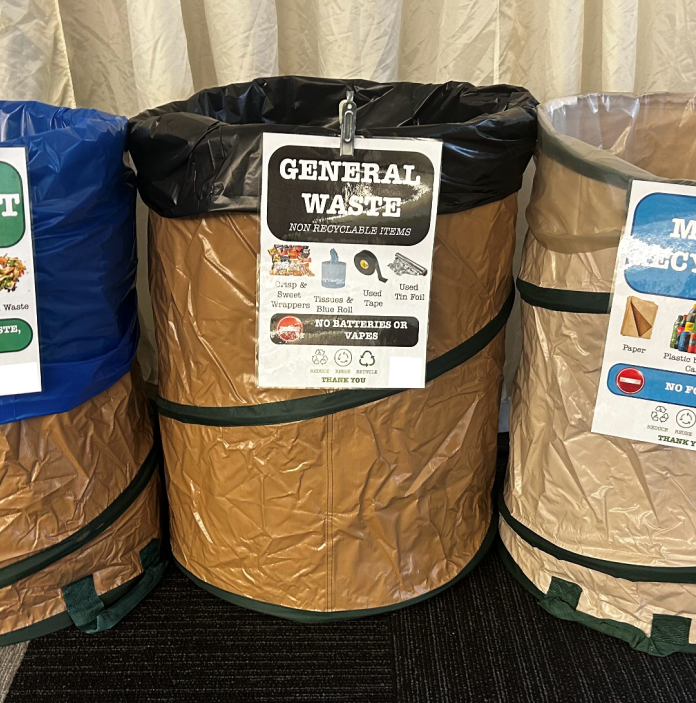
We use that alongside new tech that’s coming through, like huge battery storage systems and hydrogen power and then we look at how we can manage waste on set. We recycle a lot of things, keep some for future productions, or re-home items. It’s all about trying to create a circular economy – using costumes from production to production, if we can, for example, and introducing simple initiatives like reusable cups.
Getting everyone involved in sustainable production
Gavin’s job isn’t all about setting up systems; it’s also about people. Getting the crew on board is key and helping them feel a sense of achievement and pride in working sustainably is important.
From fun initiatives like ‘Sustainability Champion of the Month’ to newsletters highlighting small wins and on-set challenges, getting people involved is at the heart of his approach.
‘It’s important to me that our cast and crew know we have a sustainability team,’ he says. ‘We’re not here to stop people from doing their jobs. We’re here to support them – and to make it fun. When people enjoy it, they get invested, and that’s when real change happens.’
Gavin ChappelleWe’re not here to stop people from doing their jobs. We’re here to support them – and to make it fun. When people enjoy it, they get invested, and that’s when real change happens.'
Learning from other high-end productions
Alongside introducing sustainable practices on productions, Gavin also tries to learn from other productions and industries.
‘It’s quite easy to stay in your lane and stick to what you know,’ says Gavin. ‘Last year, I met with a lot of sustainability advisors – not just in the TV and film industry – to see what we can learn.
I also looked for case studies – a lot of good ones are on the BAFTA albert pages and YouTube. Productions like Jurassic World and Bridgerton want to share what they’re doing – that’s what we need to do more of, sharing what we’ve learned so the next production can take it further.’
Collaboration and sustainability training in Wales
Gavin also encourages productions to take on trained staff. He has supported Media Cymru’s sustainability coordinator training programme, which is backed by us and aims to build a network of experts guiding sustainability practices on productions across Wales.
‘We took on a sustainability coordinator who was fully trained,’ he says. ‘She came on to our production fully aware of what needed to happen. It’s great to see initiatives like this that help Wales take its commitment to the Screen New Deal to the next level.’
He also works closely with us here at Creative Wales, Ffilm Cymru, and Media Cymru to discuss sustainability initiatives and to see what’s possible in the industry – helping to connect industry professionals, share best practices, and turn good ideas into long-term change.
Looking ahead, Gavin hopes to see sustainability roles become a standard part of every crew. ‘I know it’s difficult, budgets are tight, and a lot of the time sustainability is the line that gets cut,’ he says. ‘But I’d like to see this role embedded more in productions, because there’s an interest and a need for it.’
So, what’s Gavin’s advice for productions looking to start their own sustainability journey?
Read Gavin's top tips for greener productions below.
- Plan early: ‘Have conversations really early on, and plan as early as you possibly can.’
- Start small: ‘Look at your production – what can you do? What small wins can you do? Move up from those small wins.’
- Engage your crew: ‘Have conversations with all departments early on and encourage collaboration.’
- Work with green vendors: ‘There are a lot more green vendors now that want to help productions. They have environmental certification, and they’re looking to push sustainability to the next level.’
- Think long-term: ‘I try to have wrap-up conversations early on. It’s good to be planting those seeds at the beginning to think about recycling and rehoming items.’
Like this? Read more about Wales’ TV and film industry in our filming in Wales section