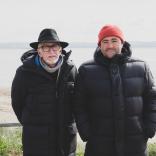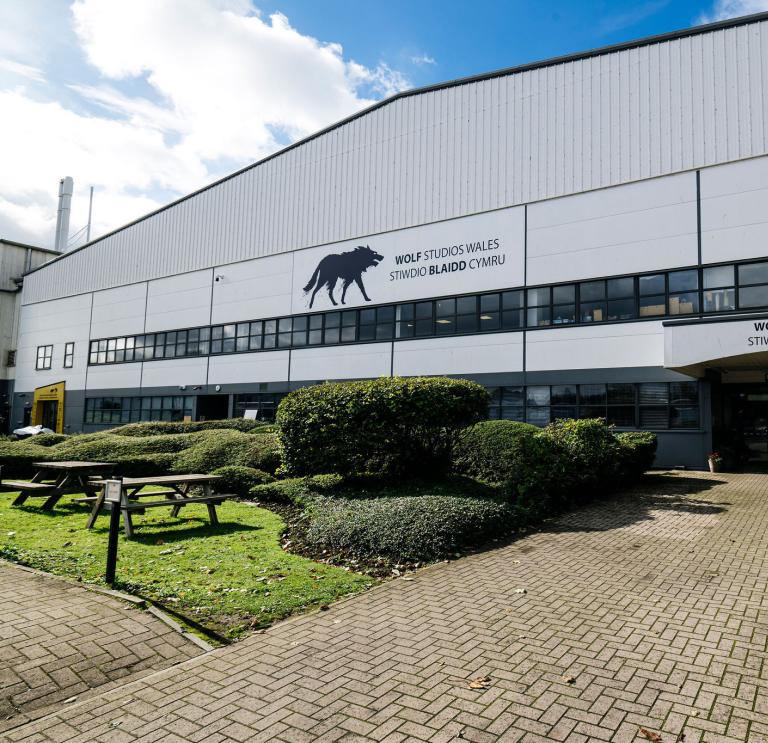
At Creative Wales, we want the screen sector to be as sustainable as possible. Through the Screen New Deal: Transformation Wales, we are partnering with organisations across the country to embed practical initiatives, which includes supporting Media Cymru’s Sustainability Coordinator Training Programme.
One company putting this initiative into practice is Bad Wolf. While best known for producing high quality television such as His Dark Materials and Dope Girls, the company is also taking a leading role in sustainable production behind the scenes.
To learn more about Bad Wolf’s commitment to sustainability, we spoke to Emily Russell, former Director of Production at Bad Wolf, Jessica Gow, Freelance Sustainability Coordinator, and Steve Smith, Lead Sustainable Consultant at Picture Zero.
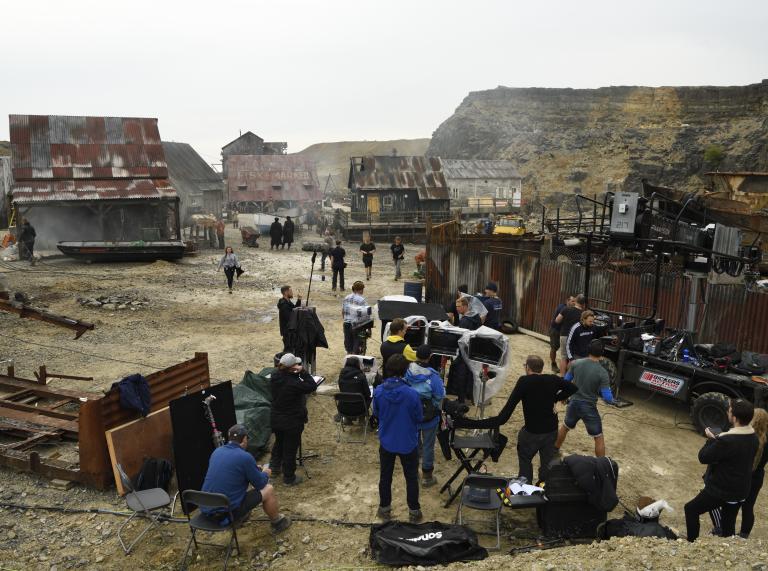
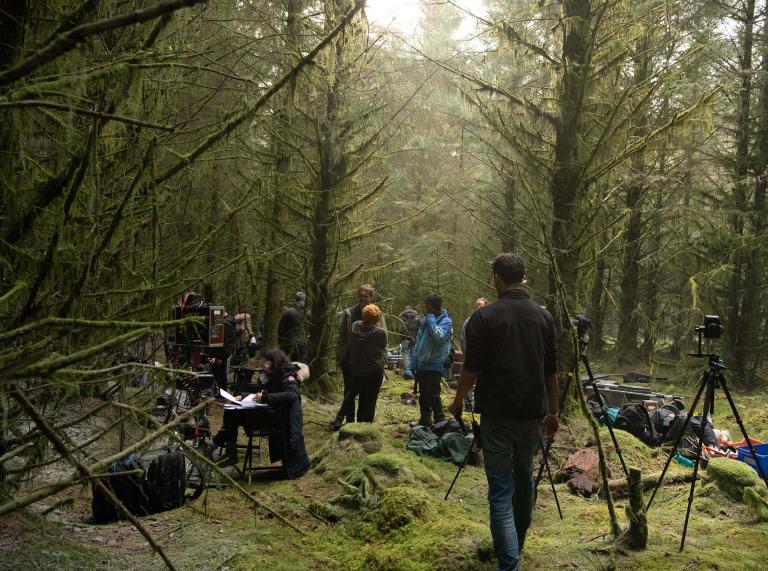
Emily Russell, former Director of Production at Bad Wolf
As Director of Production at Bad Wolf, I oversee everything from development to delivery. I’m passionate about sustainability, and when I joined, I could see real progress had already been made within Wolf Studios. But I felt there was more we could do on the production side – improve reporting, tidying up, and building enthusiasm.
When we had a show in development exploring humans’ impact on the planet, it felt like a good opportunity to ramp up our efforts. For me, it was important that our sustainable efforts were rooted in South Wales – we needed a structure that worked locally.
We looked at sustainability companies and chose Picture Zero, who had worked with us on another show via the BBC. They’d also worked with Media Cymru and were aware of their sustainability trainees.
We brought in a sustainability coordinator trainee called Jess to work alongside us and Picture Zero. From day one, I told her this was a journey. We’re not going to overhaul everything instantly, but if we invest in you, we hope you’ll invest in us. Jess has since worked with us across two big productions, and Picture Zero has supported us across four.
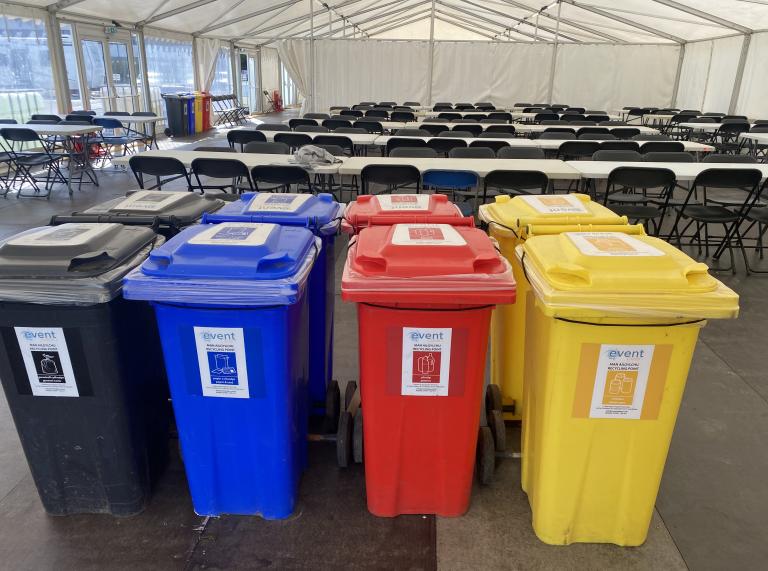
Because not every production can afford a dedicated sustainability role, we’ve focused on building lasting practices – using what we learn to make long-term changes. We now use electric or HVO-fuel vehicles where possible, and we donate our sets to local schools and colleges with the help of Screen Alliance Wales.
One of our biggest successes is a wood store providing offcuts to schools and colleges where budgets for materials are tight. These changes have helped embed a culture shift. Departments now share green updates, and the crew gets to shout about their good work with the wider team.
Support from Creative Wales has been crucial. With everyone’s help, we've made leaps forward. We’ve been doing it for 18 months now, and we're really finding our feet with it.
My advice to other production companies: start small. You're not going to change the system in your first month. Think about sustainability early and build from there; encourage train travel, choose sustainable suppliers, and book eco-conscious accommodation. The more you work with local partners and suppliers, the stronger and more sustainable your production becomes.
Emily Russell, Director of Production at Bad Wolf StudiosSupport from Creative Wales has been crucial. With everyone’s help, we've made leaps forward. We’ve been doing it for 18 months now, and we're really finding our feet with it
Jessica Gow, Freelance Sustainability Coordinator
I’m a freelance sustainability coordinator for HETV and film in Wales, helping productions implement sustainable initiatives and report their carbon impact.
I recently worked with Bad Wolf on The War Between the Land and Sea and Industry season 4. Across both productions, our goals included reducing energy and waste, developing power and travel plans, collaborating with local suppliers to cut supply chain emissions, introducing low-carbon catering, and engaging cast and crew through sustainability training and communications.
These initiatives were effective because they were embedded early in pre-production and supported through collaboration across all departments. Regular newsletters, memos, posters, events and calls to action helped educate and engage teams, while ongoing data tracking measured impact and progress.
Early in my role, I was shocked by how much usable wood from set builds was being skipped. I arranged for the most usable pieces to be diverted to local schools and colleges, increasing circularity, reducing waste, and creating social impact. By the next production, conversations on what materials were going to be available started in pre-production, with a container set aside for storage and requests for spare wood coming from crew and departments.
During my sustainability coordinator training with Media Cymru, I learned that planning and budgeting for sustainability is essential. Collaboration makes it achievable and buy-in from heads of department, cast and crew leads to greater impact. Regular communications, positive feedback, and making sustainability part of onboarding helps embed change effectively.
Once filming begins, the focus is then on ensuring what’s been agreed is put into practice by maintaining visibility, monitoring data, and keeping communication positive.
Working with Bad Wolf has been an incredible opportunity to help them embed more sustainable ways of working. Over two productions, there's been a notable shift in expectations, particularly with suppliers. As crews become more familiar with having a sustainability coordinator on board, the starting point for what can be achieved moves forward.
Jessica Gow, freelance Sustainability CoordinatorAs crews become more familiar with having a sustainability coordinator on board, the starting point for what can be achieved moves forward.
Steve Smith, Lead Sustainability Consultant at Picture Zero
Since 2011, I’ve supported BAFTA albert, training people in sustainable production alongside my directing work. That experience taught me how sustainability and creativity can absolutely work hand in hand.
Picture Zero is all about practicality. We support productions at every level – from light-touch advice to a full sustainability team on set – focusing on actions that genuinely reduce impact, not box-ticking.
We’ve worked with Bad Wolf since early 2024, and it’s been fantastic to see the leadership they’ve shown. Bad Wolf and Wolf Studios Wales have always taken sustainability seriously; our role has been to bring structure, consistency, and measurable outcomes.
Wolf Studios Wales already runs on 100% renewable electricity, and since 2024, all unit bases use mains power. Across Bad Wolf productions, we’ve made them diesel-free for power, using HVO – hydrotreated vegetable oil made from waste cooking oils – which cuts lifecycle carbon emissions by over 80% and massively improves air quality.
We’ve prioritised trains, electrified the fleet, and switched remaining vehicles to HVO, with a 10,000-litre HVO bowser at Wolf Studios for renewable refuelling. These actions have saved over 720 tonnes of CO₂ since early 2024.
All our work aligns with BAFTA albert’s Screen New Deal Transformation Plan for Wales, which I helped write, ensuring Bad Wolf’s progress supports the wider Welsh Government and Creative Wales net-zero goals.
Our advice for other production companies is that sustainability must start at the top – leadership is everything. Don’t wait to be perfect – take action, measure it, and learn. Bring your crew and suppliers with you – collaboration builds momentum.
When the crew sees sustainable decisions in action – in lighting, costume, catering, or transport – that knowledge sticks and spreads. That’s how the industry will decarbonise: one production at a time. As Dr Kris De Meyer at UCL says, ‘actions drive beliefs’, and we see that every day. And finally, sustainability isn’t about perfection; it’s about progress.
Discover how other Welsh companies are making a difference. Explore projects, insights, and practical inspiration in the creative sectors section of our website.